
The way we see ourselves can change from one day to the next. You might not give your appearance a second thought for weeks, then suddenly notice something in a photograph or while getting ready in the morning that makes you feel a little self-conscious. Many people experience this, often without knowing exactly why.
Our relationship with our appearance can change throughout life. Ageing, pregnancy, weight changes, health conditions and personal experiences can all play a part.
At LA LIPO, we believe conversations about appearance should be approached with care. There’s nothing wrong with caring about how you look, but your body doesn’t need to meet anyone else’s expectations.
What Is Body Image?
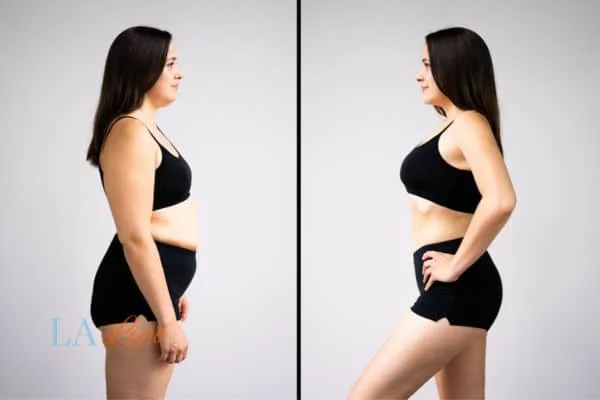
Body image is about more than what you see in the mirror. It includes the thoughts, feelings and beliefs you have about your physical appearance.
You might feel comfortable with certain features while being less happy with others. You may also find that your feelings change depending on your mood, circumstances or the people around you.
Having a positive body image doesn’t necessarily mean loving every part of your appearance.
For some people, it simply means reaching a point where they can accept their body without spending too much time worrying about how it looks.
You can also feel neutral about your appearance. You don’t have to feel confident every day to have a healthier relationship with your body.
How Can Body Image Affect Mental Health?
The way we think about our appearance can influence how we feel about ourselves.
Occasional worries about appearance are common. However, when those worries become persistent, they may begin to affect everyday life.
Someone struggling with their body image might find themselves:
- Avoiding photographs or social occasions.
- Comparing their appearance with other people.
- Spending a lot of time checking or trying to hide particular features.
- Feeling uncomfortable wearing certain clothes.
- Finding it difficult to concentrate because they’re thinking about their appearance.
- Feeling this way occasionally doesn’t necessarily point to a mental health problem.
But if worries about your appearance are constantly on your mind, or you’re avoiding people, struggling at work, or missing out on things you once enjoyed, it may be worth talking to someone about how you’re feeling. A GP or qualified mental health professional can help someone explore these concerns and discuss appropriate support.
Why Does Our Relationship With Our Bodies Change?
There’s rarely one explanation for why someone feels differently about their appearance.
Ageing and natural physical changes
Our bodies don’t stay the same throughout life.
Skin texture, body shape and fat distribution can change with age. These are normal processes, although adjusting to them can sometimes take time.
It’s worth remembering that ageing isn’t something that needs correcting. Whether someone chooses to explore cosmetic treatments is entirely personal.
Pregnancy and changes after childbirth
Pregnancy and childbirth can bring significant physical changes.
Some people feel comfortable with these changes, while others need time to adjust. Neither response is unusual.
There can also be considerable pressure to return to a pre-pregnancy appearance, particularly through social media.
Recovery after childbirth is individual, and there is no deadline for looking or feeling a particular way.
Weight changes
Our weight can fluctuate for many reasons, including age, medication, lifestyle, medical conditions and hormonal changes.
Weight changes can sometimes affect how clothes fit or how someone feels about their appearance.
However, weight alone doesn’t determine someone’s health, happiness or worth.
Social media and comparison
It’s easy to forget how carefully many online images are selected.
Lighting, camera angles, filters and editing can all influence how a person appears in photographs and videos.
Repeatedly comparing ourselves with these images may create unrealistic expectations about what bodies should look like.
Taking a break from accounts that leave you feeling uncomfortable about your appearance can be a useful starting point.
Body Confidence Doesn’t Have to Mean Changing Your Appearance
When people talk about body confidence, the conversation often turns towards changing something.
But feeling more comfortable in your body doesn’t always involve changing how it looks.
For some people, it might mean wearing clothes they enjoy rather than worrying about the size on the label.
For others, it could mean moving their body in ways they enjoy, spending less time comparing themselves with others, or learning to challenge negative thoughts about their appearance.
Small changes in how we treat ourselves can matter.
And sometimes, accepting that our bodies will continue to change throughout life is an important part of that process.
Can Cosmetic Treatments Improve Body Confidence?
This question deserves a thoughtful answer.
Some people choose cosmetic treatments because they have a particular aesthetic preference or would like to explore changing an aspect of their appearance.
However, cosmetic treatments are not mental health treatments, and they should never be presented as a solution to low self-esteem, anxiety, depression or ongoing difficulties with body image.
Changing a physical feature doesn’t necessarily change how someone feels about themselves.
There is also no guarantee that a cosmetic procedure will produce the appearance someone hopes for.
At LA LIPO, we believe anyone considering a cosmetic treatment should understand what it involves, its limitations, and potential risks before deciding.
Choosing not to have treatment is equally valid.
If concerns about appearance are causing significant emotional distress, speaking with a GP or qualified mental health professional is a more appropriate first step than pursuing cosmetic treatment.
Understanding Body Dysmorphic Disorder
Body dysmorphic disorder (BDD) is a mental health condition involving significant distress or preoccupation with perceived flaws in appearance.
Someone experiencing BDD may spend considerable time checking mirrors, seeking reassurance, comparing themselves with others or trying to conceal a feature they find upsetting.
These concerns can substantially affect everyday life.
BDD is not simply vanity or ordinary dissatisfaction with appearance.
If you recognise these experiences in yourself, it’s worth speaking with your GP. Assessment and appropriate psychological treatment, including cognitive behavioural therapy (CBT), may help.
Cosmetic procedures are not an established treatment for BDD and should not be offered as a way to resolve the condition.
How Can You Develop a Healthier Relationship With Your Body?
No single approach works for everyone, but a few everyday changes may be worth exploring.
Pay attention to how social media makes you feel.
If certain accounts consistently leave you comparing your appearance with others, consider unfollowing or muting them.
Try following people who represent a wider variety of body shapes, ages and appearances.
Focus on what your body allows you to do.
Your body is involved in every part of your daily life, not just how you look.
Walking, gardening, dancing, resting, laughing with friends, or spending time with family can give you opportunities to appreciate your body beyond its appearance.
Notice negative self-talk
Think about the words you use when describing yourself.
Would you speak to someone you care about in the same way?
You don’t need to replace every negative thought with a positive one. Sometimes a more neutral, compassionate perspective is enough.
Permit yourself to change.
Your body at 45 doesn’t have to look like it did at 25.
Life happens. Bodies change.
You don’t need to maintain a particular appearance throughout adulthood.
Ask for support when you need it.
If worries about your appearance affect your mood, relationships, or daily routine, you don’t have to manage those feelings alone.
A GP can help you explore what you’re experiencing and discuss whether additional support would be helpful.
Making Informed Decisions About Cosmetic Treatments
If you’re considering a non-surgical cosmetic treatment, it’s worth taking time to consider why you’re interested.
Ask yourself whether you have a specific, realistic cosmetic goal, whether you understand the possible risks and whether you would still feel comfortable with your decision if the results were subtle or different from what you expected.
It’s also important to consider the possibility that treatment may not be suitable for you.
Non-surgical procedures can involve side effects, complications and recovery considerations. The absence of surgery doesn’t mean a procedure is risk-free.
A responsible consultation should explain the proposed treatment, its limitations, possible adverse effects and any relevant contraindications.
There should never be pressure to book.
LA LIPO’s Approach to Cosmetic Treatment Enquiries
LA LIPO offers a range of non-surgical cosmetic services, with selected treatments available through our mobile, home-based service.
Our team can provide information about the treatments available, explain the appointment process and discuss whether an individual suitability assessment may be appropriate.
We recognise that cosmetic treatments are a personal choice, not something anyone needs.
We also recognise that concerns about mental health and persistent body image distress require appropriate healthcare support rather than cosmetic intervention.
If you’re exploring a treatment for a specific aesthetic reason, you’re welcome to contact us for information without any obligation to proceed.
Contact LA LIPO to discuss our cosmetic services.
Frequently Asked Questions About Body Image and Mental Health
Can poor body image cause anxiety?
Worries about appearance can contribute to anxiety, particularly when someone becomes preoccupied with how others see them. However, anxiety can have many causes, and concerns about body image don’t automatically mean someone has an anxiety disorder.
Is it normal to feel unhappy with your body sometimes?
Yes. Many people experience periods of dissatisfaction with their appearance. If these feelings become overwhelming, persistent or begin affecting everyday life, speaking with a healthcare professional may help.
Does social media affect body confidence?
It can. Frequent exposure to edited photographs, idealised appearances and appearance-focused content may encourage comparison. Not everyone is affected in the same way, but reviewing the accounts you follow may help you recognise content that affects your mood.
Can cosmetic treatments improve mental health?
Cosmetic procedures should not be promoted or relied upon as treatments for mental health conditions. They cannot guarantee improvements in confidence, happiness or emotional wellbeing. Anyone experiencing significant psychological distress should seek appropriate professional support.
What is body dysmorphic disorder?
Body dysmorphic disorder is a mental health condition in which someone becomes significantly preoccupied with perceived flaws in their appearance. It can affect daily activities, relationships and emotional wellbeing. A GP can arrange an assessment and discuss suitable treatment options.
Can ageing affect how you feel about your body?
Yes. Changes in skin, body shape and physical appearance can influence body image. Some people find these changes easy to accept, while others take longer to adjust. Neither response means that cosmetic treatment is necessary.
Should I consider cosmetic treatment if I feel unhappy with my appearance?
That depends on your circumstances and reasons for considering treatment. If your concerns are causing significant emotional distress, seek advice from a GP or qualified mental health professional first. Cosmetic procedures are not a substitute for psychological care.
Where can I get help with body image concerns?
Your GP is a good starting point, particularly if worries about appearance are affecting everyday life.
You can also find information through the NHS and mental health organisations such as Mind.
Does LA LIPO offer mental health treatment?
No. LA LIPO provides cosmetic treatment services, not mental health assessment or psychological therapy.
Anyone experiencing persistent body image distress or symptoms of a mental health condition should seek advice from an appropriately qualified healthcare professional.
Your Body, Your Choice
There is no single way to feel comfortable in your own skin.
Some people enjoy exploring cosmetic options. Others have no interest in changing their appearance. Many find that their feelings shift at different stages of life.
What matters is having the freedom to make informed decisions without feeling pressured by unrealistic beauty standards.
At LA LIPO, we believe cosmetic treatment should remain a personal, considered choice rather than something driven by the belief that you need to look different to be happy.
Would you like information about our non-surgical cosmetic services?
You can contact LA LIPO to ask about available treatments, how our home appointments work and the suitability assessment process.
There is no obligation to book.
Contact LA LIPO
Important information: This article is intended for general information and does not provide mental health advice, diagnosis or treatment. LA LIPO’s cosmetic services are not treatments for anxiety, depression, body dysmorphic disorder or other mental health conditions. Cosmetic procedures carry potential risks and limitations, and results cannot be guaranteed. If concerns about your appearance are affecting your mental health or daily life, speak with your GP or an appropriately qualified mental health professional before considering cosmetic treatment.